
Old CountryAs the child of Soviet Union immigrants growing up in Toronto, I inherited more than just another culture. There were the odd traditions, the blunt worldview, and an endless stream of Soviet-era sayings, rituals, and superstitions that, to my North American upbringing, felt otherworldly. For over a decade, I’ve been collecting those sayings, rituals, superstitions, and stories. Using AI, I’ve started transforming them into visual artifacts. Part archive. Part cultural translation. Part love letter to the old-world wisdom I grew up around.
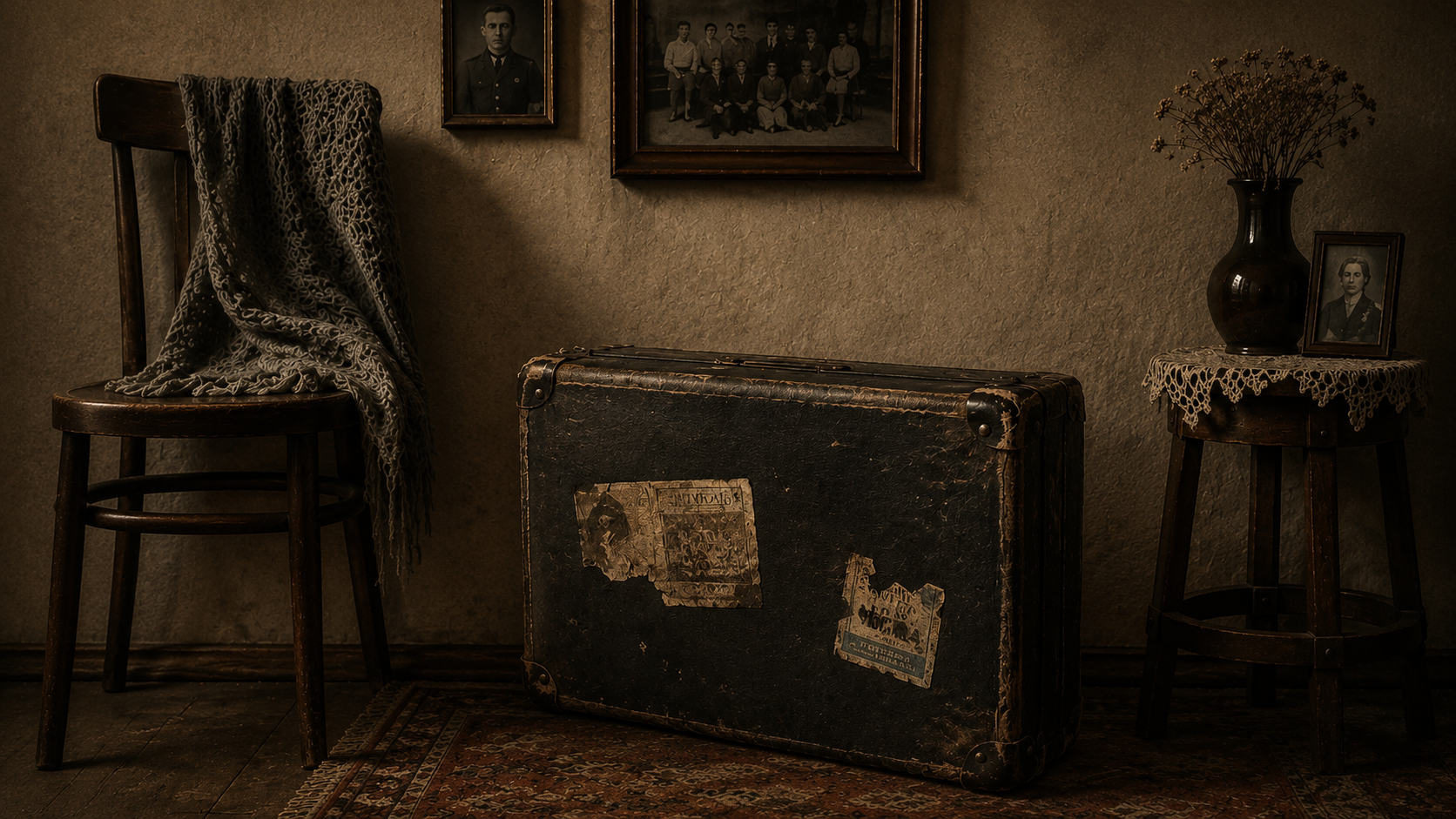
чемодан без ручки
When I was decluttering my apartment and struggling with what to keep or donate, my mom reminded me of this Russian idiom. It describes something that feels like a burden to carry, but still feels impossible to throw away. It’s the kind of thing you don’t really need anymore, but there’s too much memory, guilt, or emotion attached to it to let it go.
Suitcase without a handle.
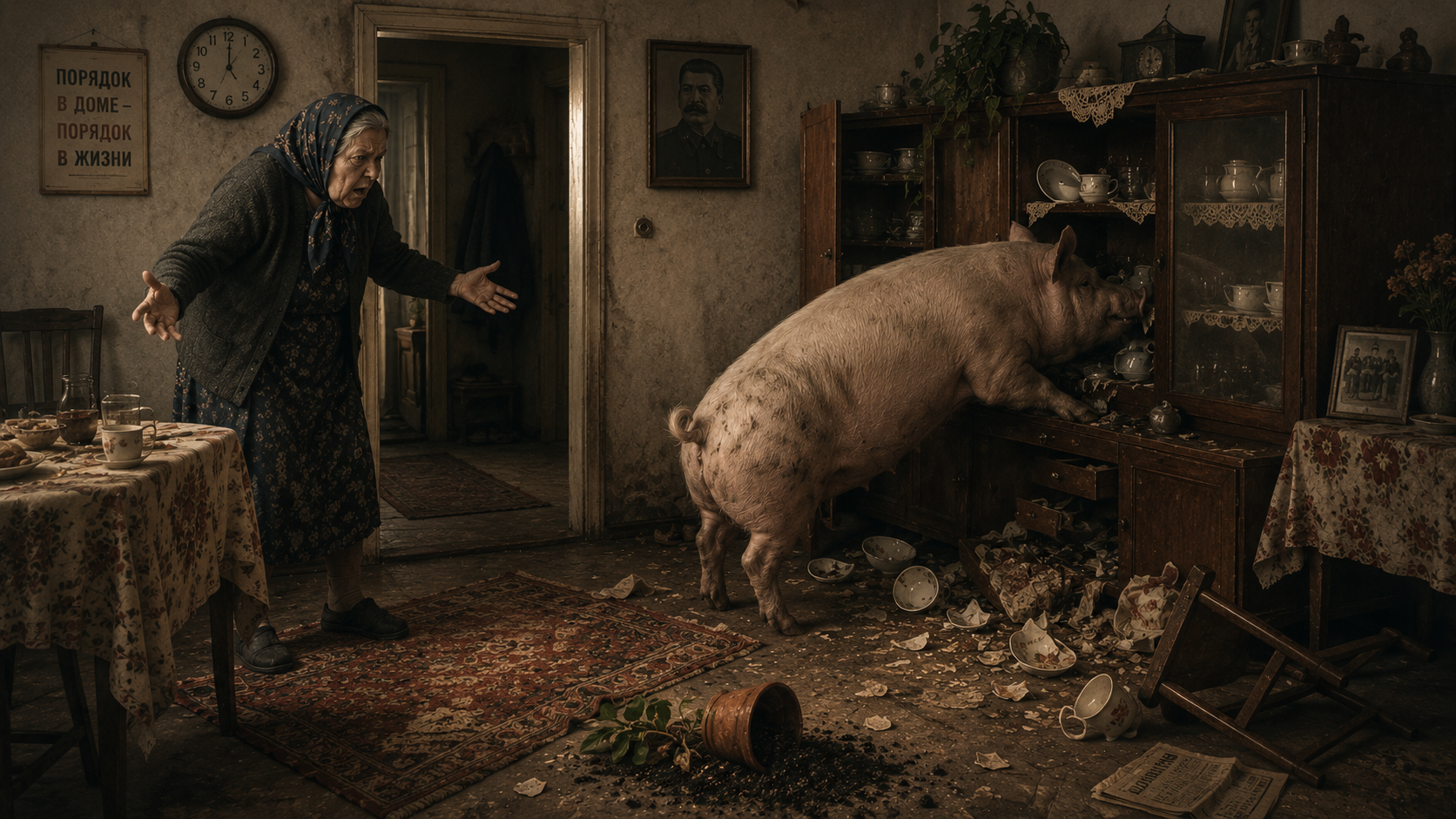
The old woman didn’t have any problems. She bought herself a pig.
Не было у бабы хлопот, так купила порося
My mom used this idiom as a warning. It describes someone who creates unnecessary problems for themselves when life was perfectly fine. It’s a way of saying: don’t invite problems you don’t need.
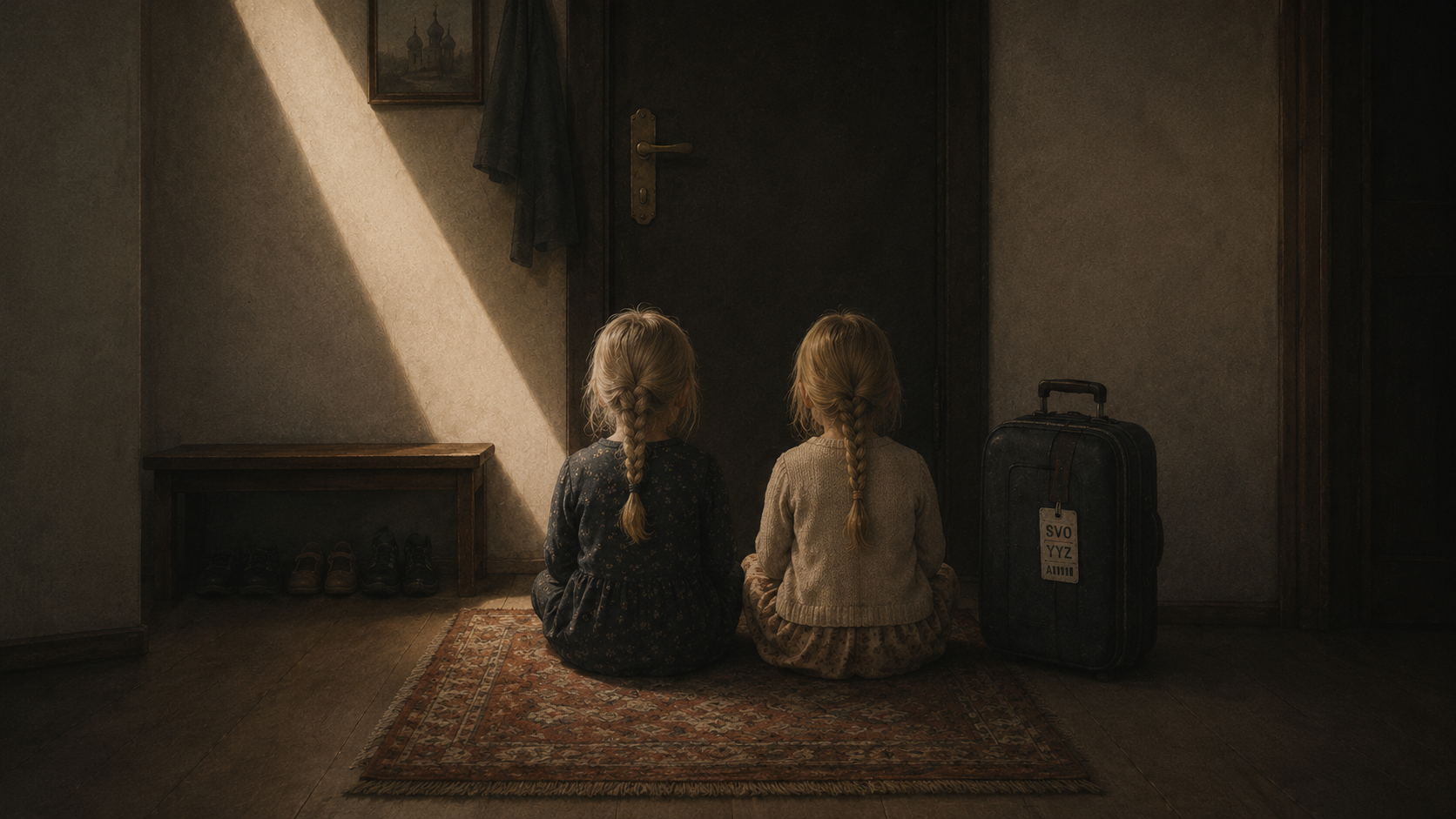
Sitting for the road.
Prisyest' na dorozhku
When I was younger, before leaving for a big trip, my parents would make us sit silently by the front door for a moment before heading out. The only explanation they ever gave was that it was for safe travels. Years later, I learned it was a well-known Eastern European tradition called “sitting for the road”, a brief pause meant a safe journey.
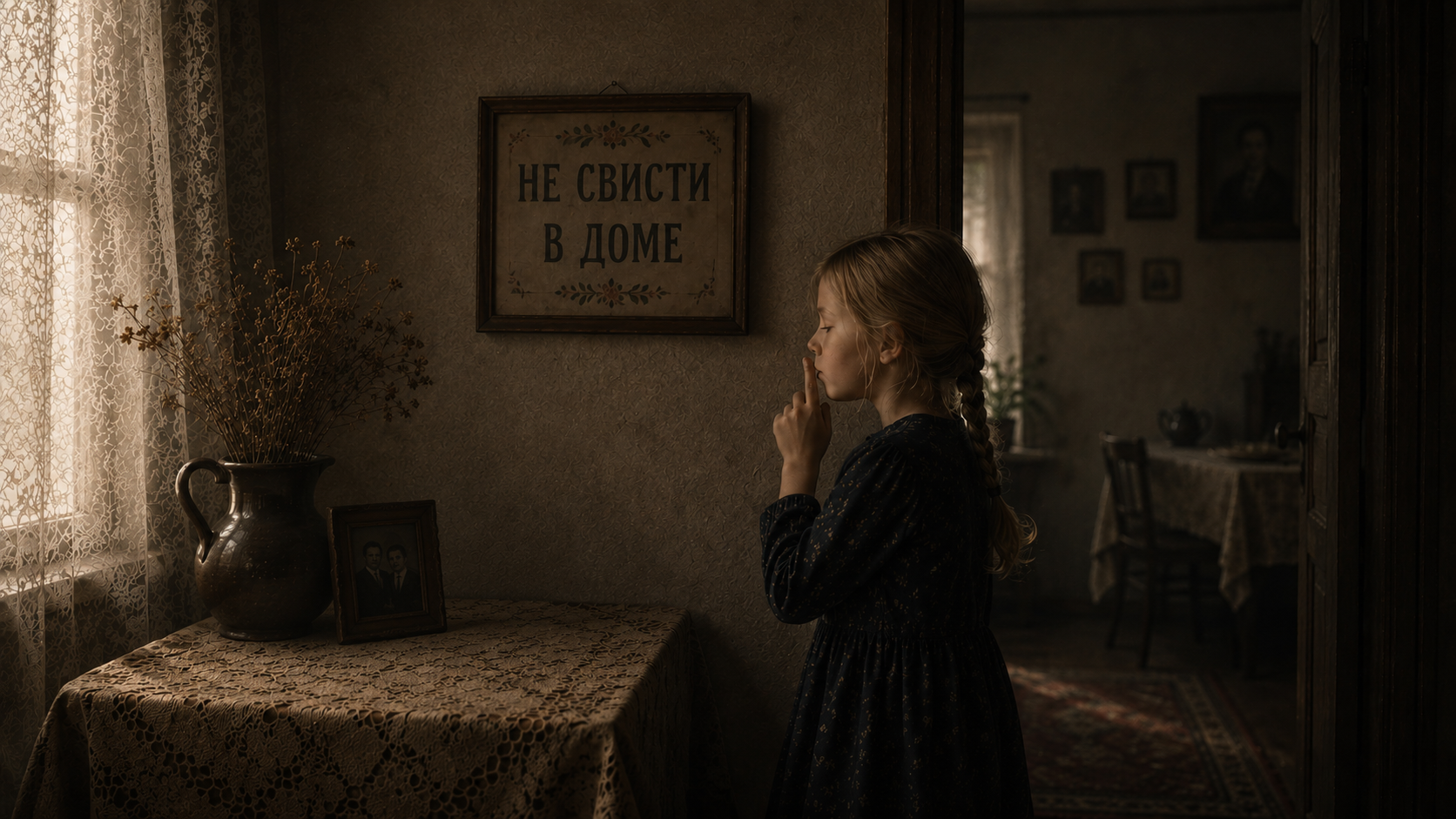
Don’t whistle in the house.
Не свисти в доме — денег не будет.
My mom used to warn us not to whistle in the house because it brought bad luck and could whistle away your wealth. As kids, my sister and I had no idea where this rule or superstition came from, so we’d just giggle at how strange it sounded.
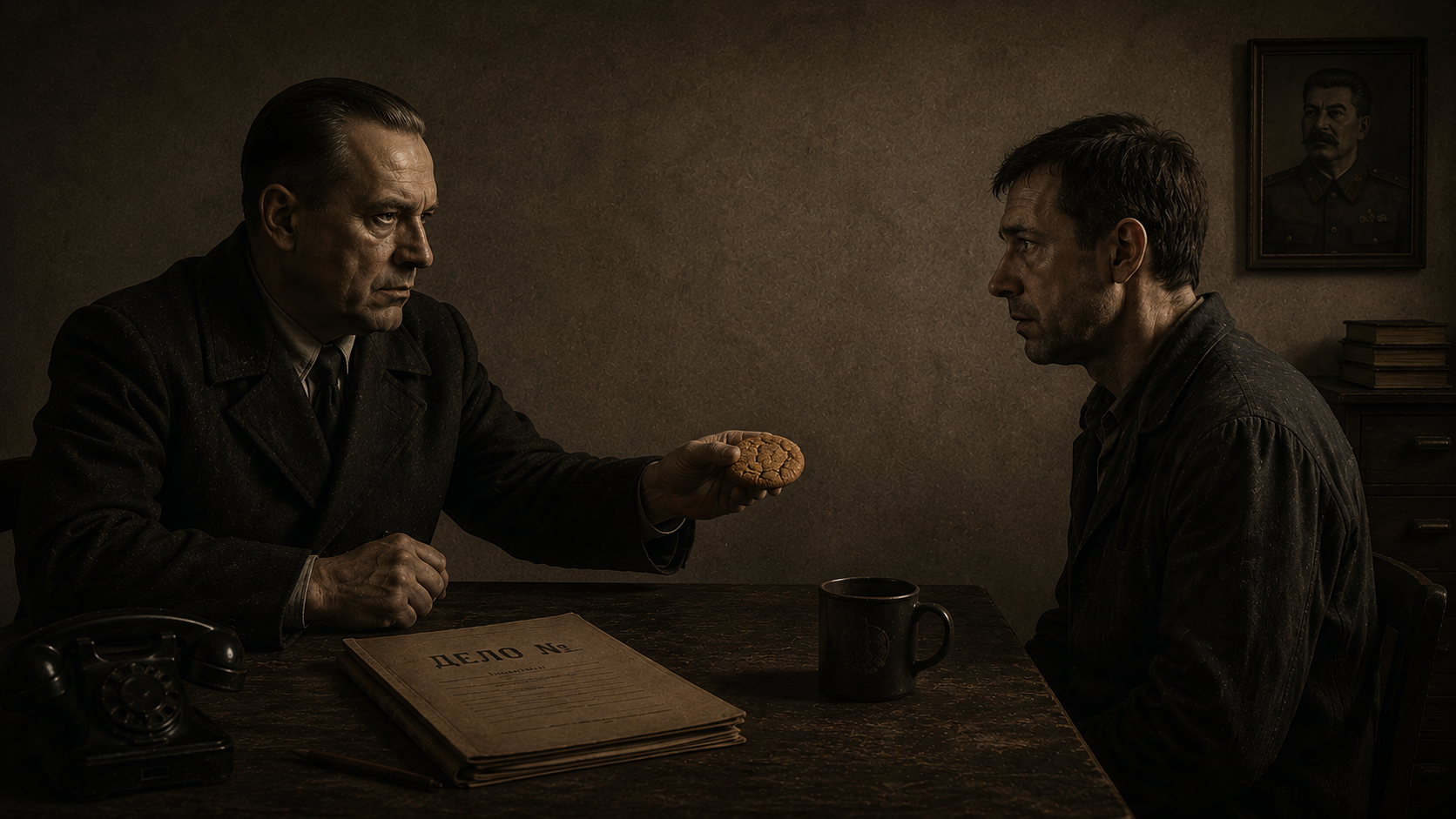
Take the cookie, or take the fist.
Возьми пряник — или получишь кулаком
My dad used this idiom to explain what life was like in the USSR and the role the KGB played in it. On the surface, it sounds funny: “Take the cookie, or take the fist.” But underneath, it speaks to the kind of “choice” people were really given. Accept what’s offered, or deal with the consequences.
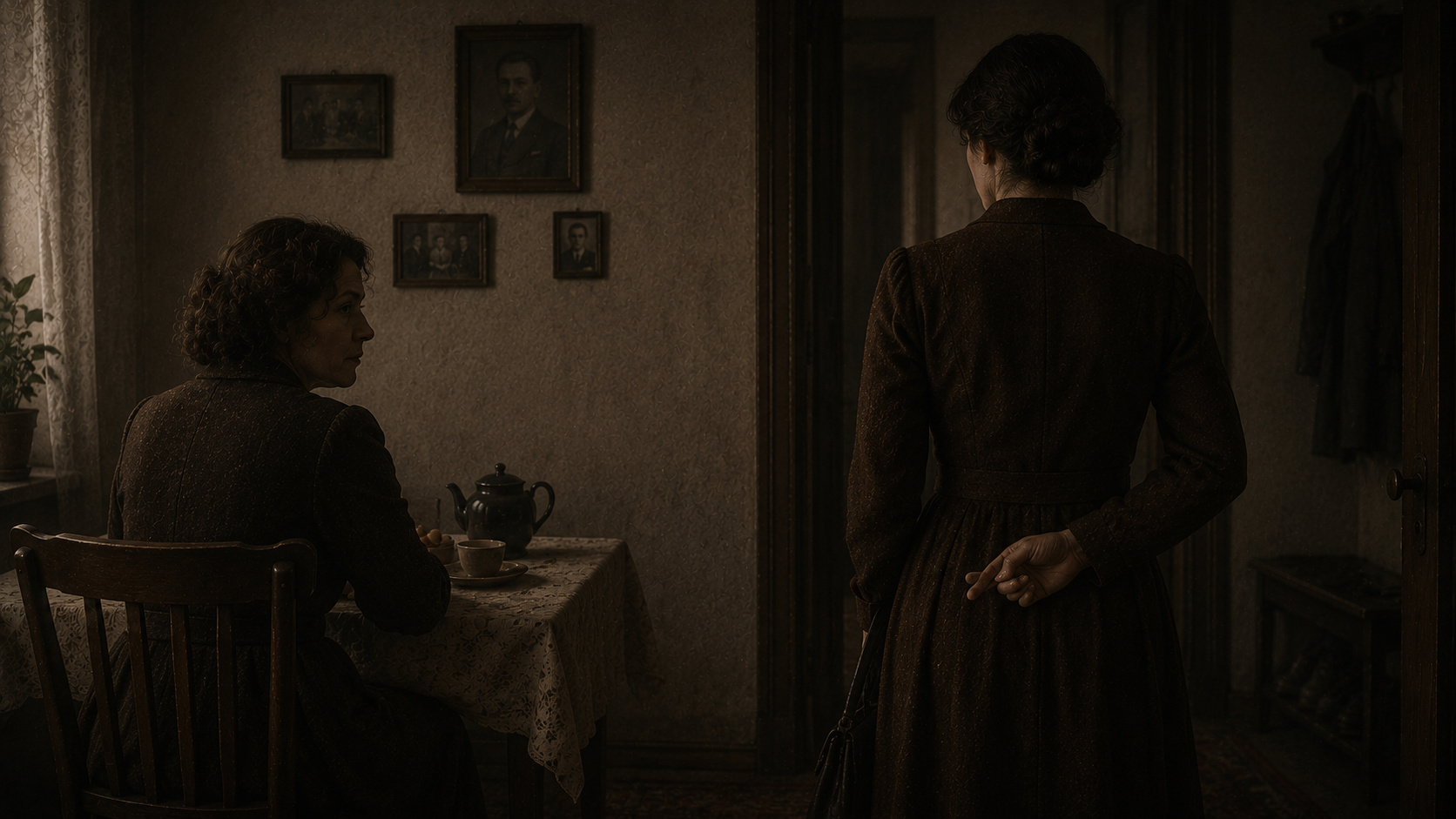
Just in case, keep a fig in your pocket.
Держи фигу в кармане.
My mom would say something like, “With people like that, you better keep your fingers crossed behind your back.”
What she meant was: don’t let their energy get too close. Don’t let their envy, judgment, or bad intentions jinx what’s good in your life. The thought comes from the Russian saying, “На всякий случай держи фигу в кармане” — just in case, keep a fig in your pocket.
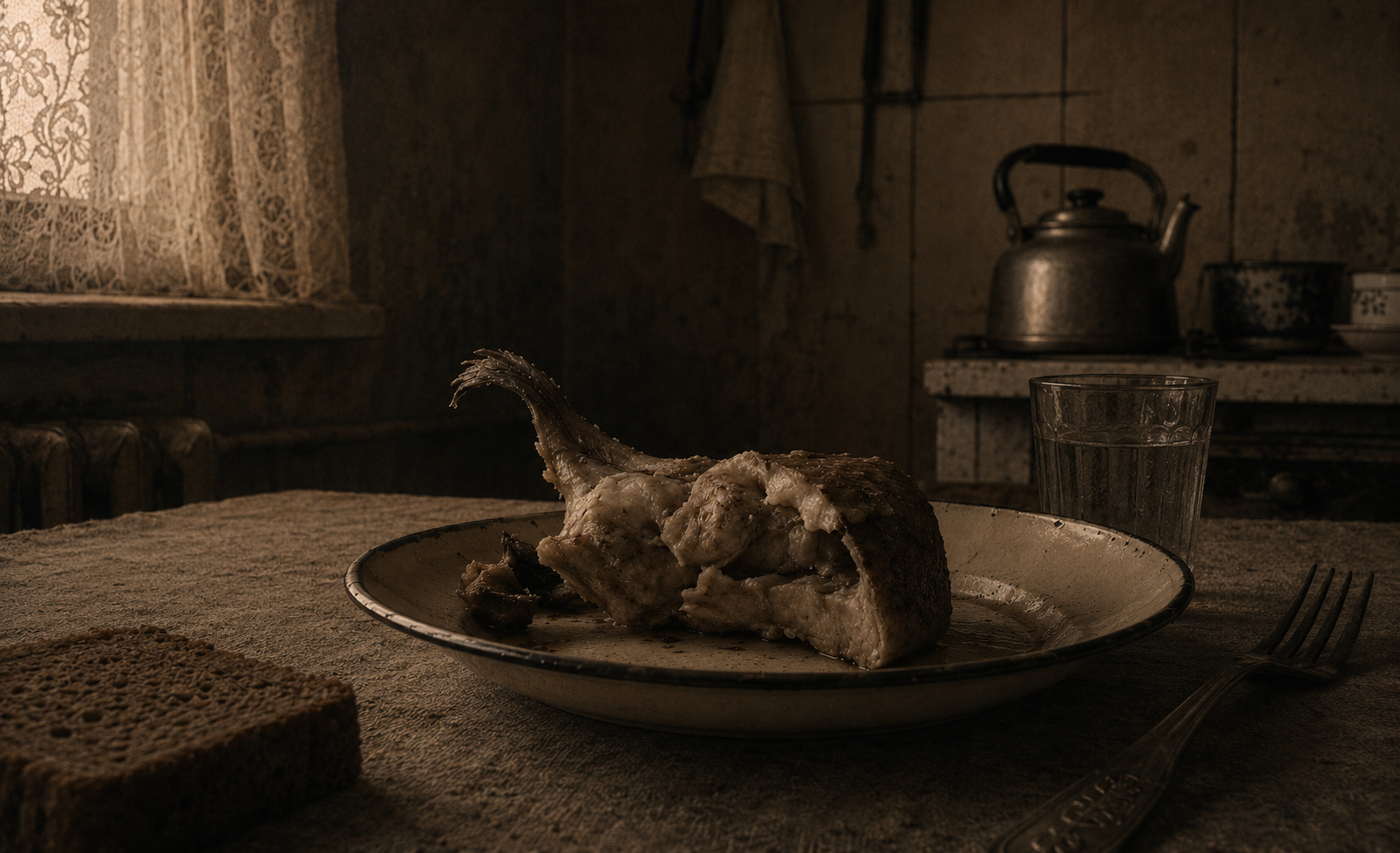
Neither chicken or fish.
ни рыба, ни мясо
My mom used this to describe someone with no point of view. The phrase is like saying someone is neither chicken nor fish: not one thing, not the other. They don’t take a stand, don’t have a strong personality, and are hard to pin down. It’s impossible to respect them because there’s nothing solid there.
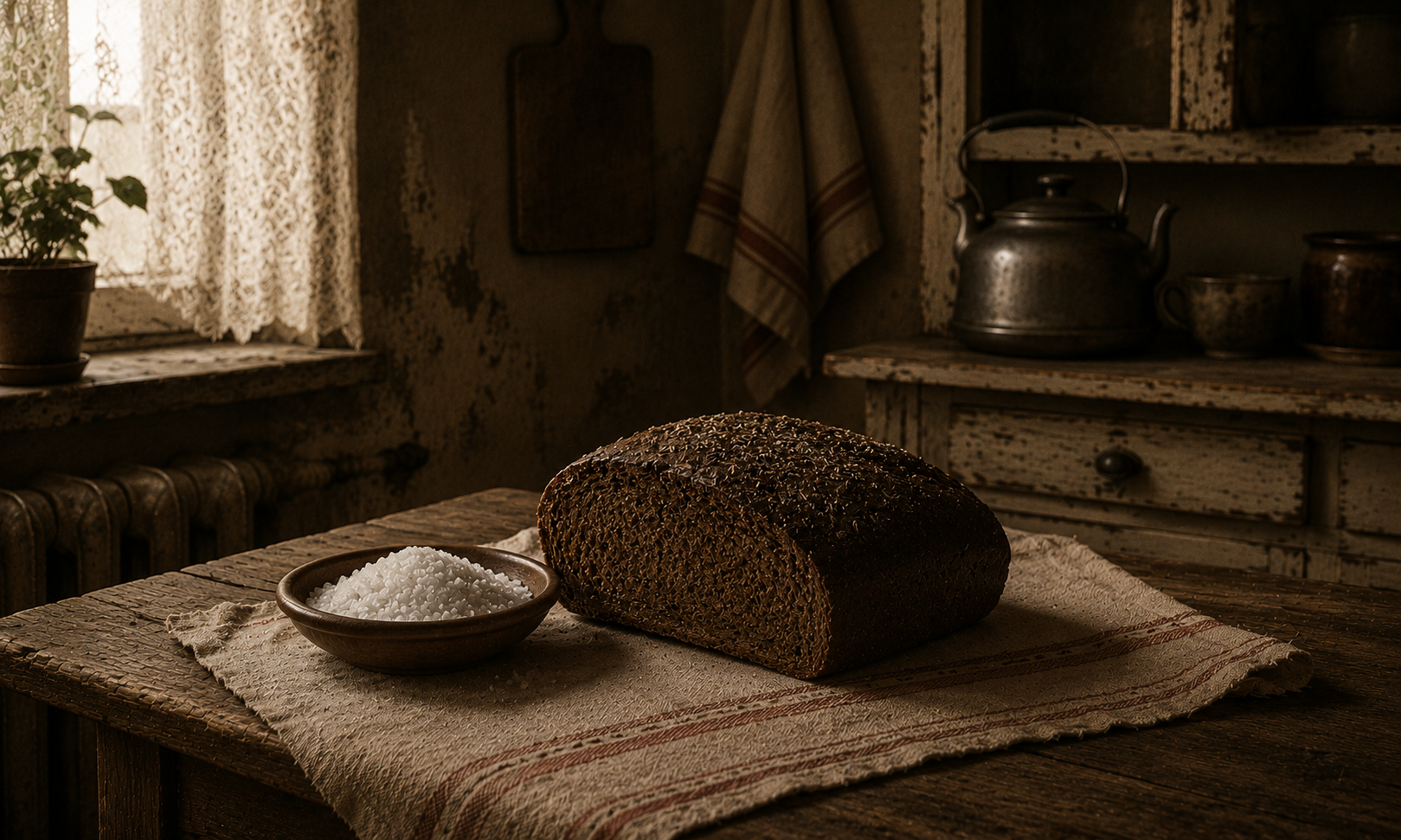
Black bread and salt.
Duona ir druska
When my husband and I first moved in together, my mom told us that before moving in, we should leave black bread and salt in the apartment to ward off evil. In many Baltic and Slavic traditions, they’re believed to protect the home and bring good fortune to the people living in it.
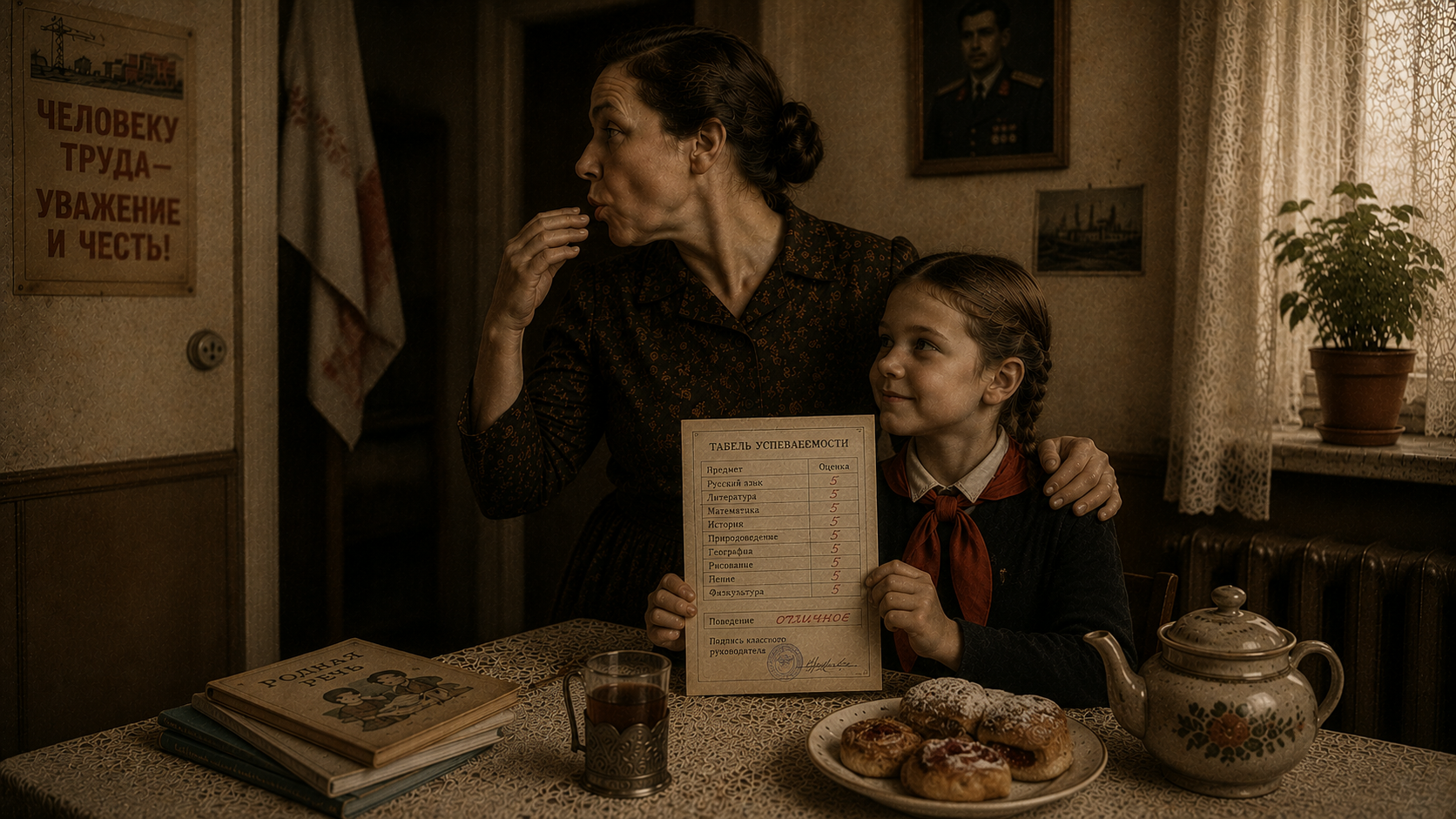
Tfu-tfu-tfu
тьфу-тьфу-тьфу
In our house, every accomplishment was met with “pu pu pu.” Big or small, good news had to be protected immediately — from envy, from bad luck, from the danger of saying something too confidently out loud.
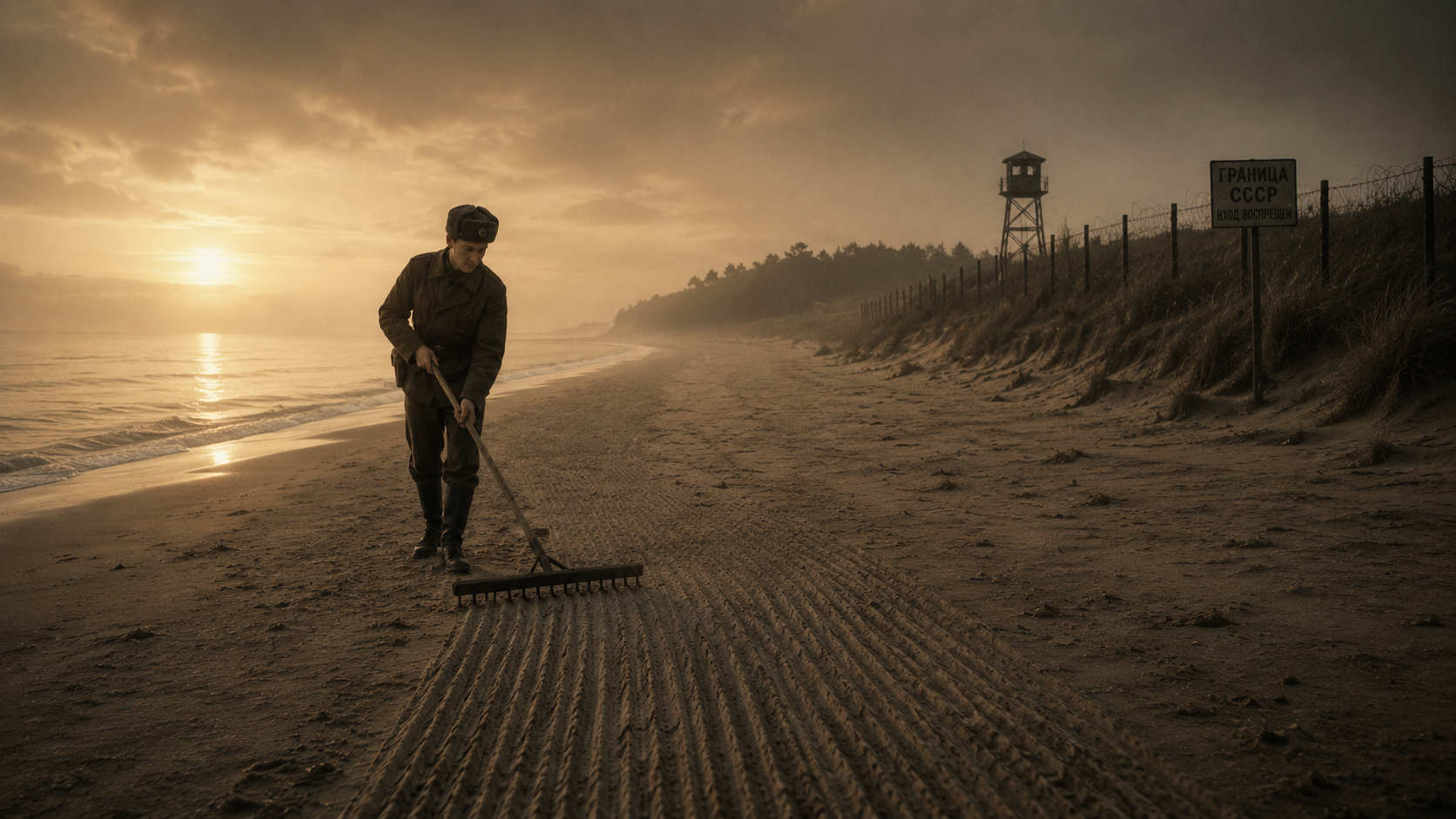
A line in the sand.
My mother told me stories about Palanga, the Lithuanian beach town on the Baltic Sea.
On the surface, it sounded like a regular resort town: sand, summer, families, the smell of salt water, the long pier stretching toward the horizon. But in the Soviet Union, even the beach had another meaning. The sea was not just the sea. It was a border. Somewhere across the water: Sweden. Freedom.
She told me the sand was raked at night so guards could see footprints. If someone tried to cross the beach, the evidence would be there in the morning. A line of steps in the sand could mean someone had tried to escape.
I wanted to know what happened if they were caught. At minimum, they could be detained by Soviet border troops, interrogated, and charged with illegally crossing the border. In practice, it could become much worse. If authorities framed the escape as betrayal of the motherland, or as an anti-Soviet act, the punishment could be far harsher: long prison terms, labor camps, confiscation of property, and in extreme cases, even death.
On that beach, footprints weren’t just footprints. They were proof of a life trying to leave.